

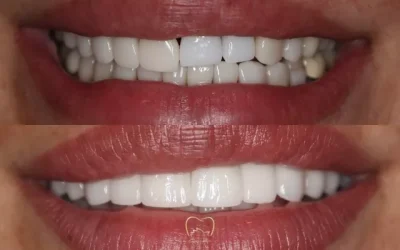
Anterior Veneers Clinical Case in Vaucluse

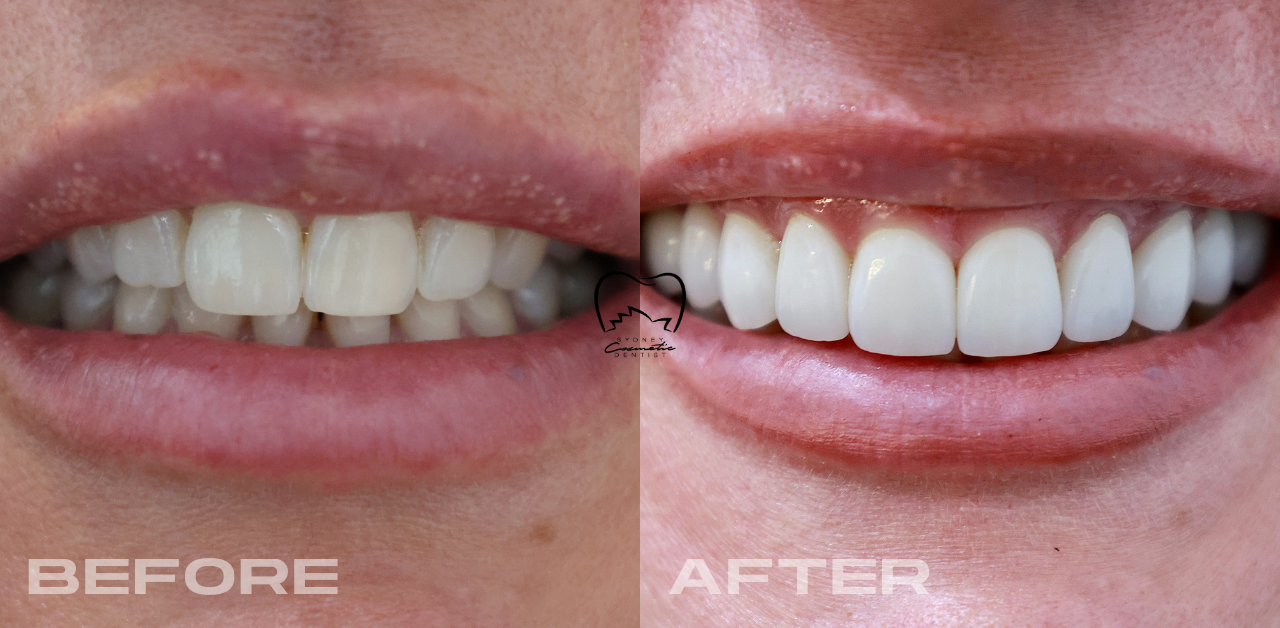
How do tooth positions influence facial aesthetics in anterior veneer treatment in Vaucluse?
Case Note ID: Dec-2024-FAE
Location: Sydney Cosmetic Dentist (serving the Vaucluse area)
Primary Treatments: Anterior porcelain veneers (upper arch), tooth position modification, facial aesthetic analysis
Supporting Technology: The Perfect 10™ smile design system, facial analysis protocols, digital planning
Presenting Clinical Problem
A patient presented seeking anterior aesthetic enhancement with the following clinical considerations:
- Anterior teeth requiring aesthetic improvement through porcelain veneers
- Tooth positions and shapes that could be optimised to enhance facial aesthetics
- Opportunity to analyse the relationship between dental positions and facial muscle function
- Primary clinical objective: improve anterior aesthetics through systematic veneer treatment whilst considering the influence of tooth positions on facial appearance and expression
The clinical approach recognised that modification of tooth positions and shapes through restorative treatment can influence facial soft tissue position and function.
Treatment Plan & Clinical Process
Treatment utilised Dr Peter Poulos’s Perfect 10™ systematic approach with emphasis on facial aesthetic analysis:
Phase 1: Comprehensive Facial and Dental Analysis
Assessment extended beyond traditional dental parameters to include facial analysis: smile line evaluation, lip position and support, facial muscle function, and relationship between tooth positions and facial soft tissues. The concept being explored was that tooth position changes through restorative treatment can influence the position of lips, facial muscles, and consequently facial appearance. Digital planning allowed visualisation of proposed changes before tooth preparation.
Phase 2: Tooth Preparation and Provisional Phase
Tooth preparations were designed to allow modification of tooth positions where clinically appropriate and within biological and biomechanical limitations. Provisional veneers were fabricated with attention to emergence angles, incisal edge positions, and contact relationships. The provisional phase allowed assessment of how tooth position modifications influenced lip support, facial muscle position, and patient expression. Adjustments to provisional design could be made based on functional and aesthetic assessment.
Phase 3: Definitive Veneer Placement
Following provisional phase assessment and refinement, definitive porcelain veneers were fabricated incorporating the proven provisional design parameters. Attention was given to tooth positions that had demonstrated favourable influence on facial aesthetics whilst maintaining biological and functional requirements. Cementation followed established bonding protocols.
The treatment incorporated systematic control points aligned with the Perfect 10™ framework, emphasising the relationship between dental positions (aesthetics) and facial tissue positions.
Clinical Outcome
The veneers improved the patient’s smile aesthetics while making subtle modifications to tooth positions that influenced lip support and facial soft tissue position. This case explored the relationship between dental changes and facial appearance within the limitations of what veneer treatment can achieve.
Individual facial anatomy and soft tissue thickness vary significantly, affecting outcomes. Results experienced by one patient do not necessarily reflect outcomes others may experience. Veneers have limitations for repositioning teeth (typically 1-2mm maximum), and significant position changes generally require orthodontic treatment instead.
Frequently Asked Questions for Vaucluse Patients
Can porcelain veneers change facial appearance beyond the teeth themselves?
Within veneer limitations, some tooth position modifications can influence lip support. Moving teeth forward (labially) may provide increased lip support in some cases. However, achievable change is limited by safe tooth preparation amounts, biological requirements, and existing anatomy. Individual soft tissue thickness and facial structure determine response. Significant facial changes typically require orthodontics or surgery.
What is the Perfect 10™ system and how does it differ from standard veneer treatment?
The Perfect 10™ is Dr Peter Poulos’s systematic approach incorporating facial analysis, digital planning, provisional therapy, soft tissue conditioning, and refinement phases. It emphasizes dental-facial aesthetic relationships. The approach involves more extensive planning than abbreviated protocols, though biological principles and materials are similar to comprehensive aesthetic dentistry generally.
What are the limitations of using veneers to modify tooth positions?
Veneers can generally only add material (make teeth larger or appear moved forward), not move teeth through bone. Changes are typically limited to 1-2mm, constrained by preparation depths and material thickness. Significant rotations or movements require orthodontics. Attempting excessive changes risks bulky appearance, structural weakness, and biological complications.

Services We Mentioned:
More Client Journeys
Full Mouth Veneers Clinical Case in Bondi Junction
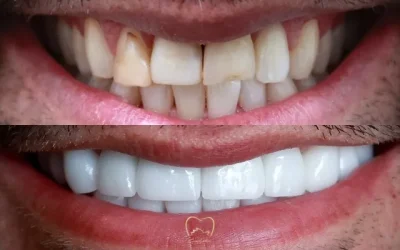
Clinical case examining comprehensive upper and lower arch veneer rehabilitation. Educational overview of full mouth aesthetic treatment.
Smile Design Veneers Clinical Case in Dulwich Hill
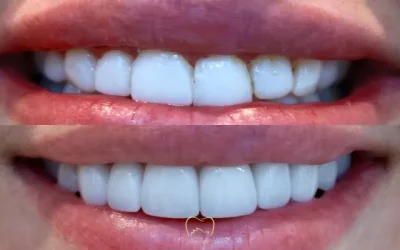
Clinical case examining comprehensive anterior veneer treatment using systematic smile design. Educational overview of Perfect 10™ approach.
Full Arch Implants Clinical Case in Zetland
Clinical case examining full arch implant treatment following extraction of failing teeth. Educational overview of process and risks.