

Full Arch Implants Clinical Case in Zetland
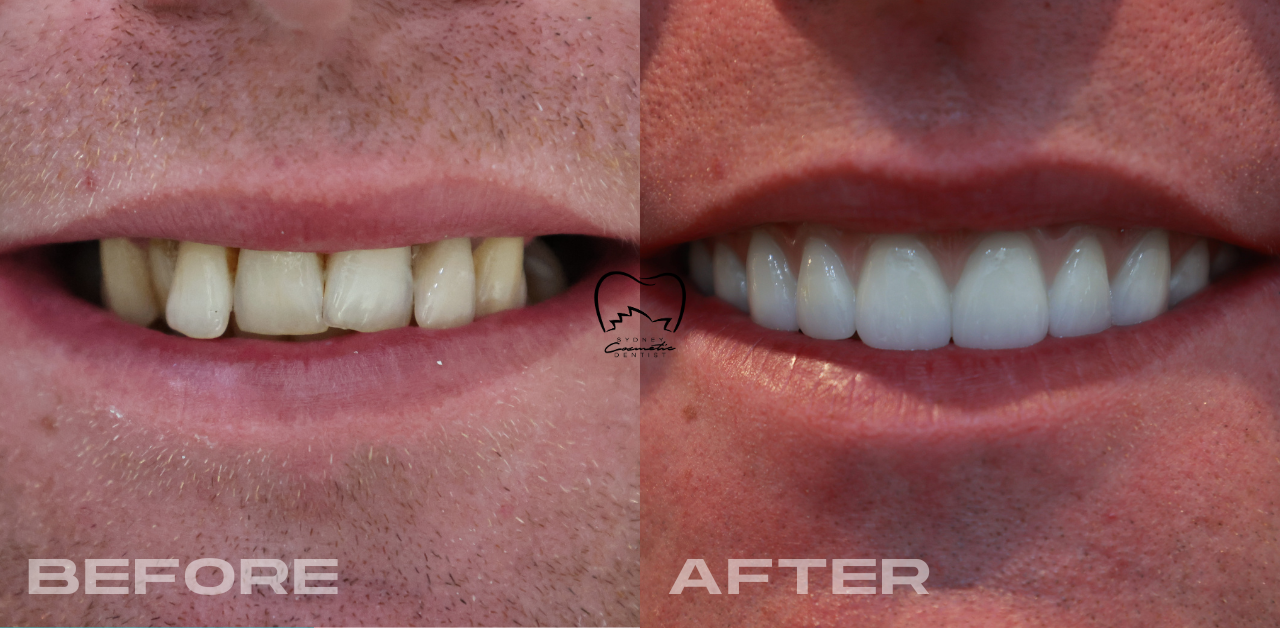
When is full arch implant rehabilitation indicated for compromised dentition in Zetland?
Case Note ID: Dec-2024-FAI
Location: Sydney Cosmetic Dentist (serving the Zetland area)
Primary Treatments: Full arch implant rehabilitation, extraction and immediate implant placement, fixed implant prosthetics
Supporting Technology: CBCT imaging, digital implant planning, immediate load protocols
Presenting Clinical Problem
A patient presented with severely compromised dentition requiring comprehensive rehabilitation:
- Multiple failing teeth not amenable to conventional restorative treatment
- Progressive periodontal disease and/or extensive caries affecting multiple teeth
- Functional impairment affecting mastication
- Need for extraction of non-restorable teeth and replacement with implant-supported prosthetics
- Primary clinical objective: restore oral function and aesthetic appearance through full arch implant rehabilitation following extraction of failing dentition
The clinical presentation represented advanced dental disease where individual tooth preservation was not a viable long-term solution.
Treatment Plan & Clinical Process
A systematic approach to full arch reconstruction was implemented:
Phase 1: Diagnostic Assessment and Planning
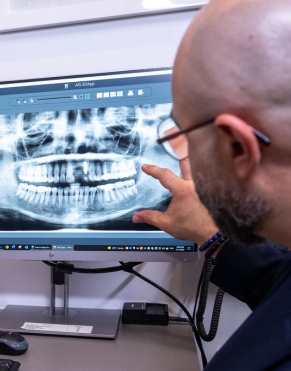
Comprehensive evaluation included clinical examination, radiographic assessment (CBCT for bone evaluation), medical history review, and discussion of treatment alternatives. Diagnostic planning determined which teeth required extraction, assessed bone volume for implant placement, and established prosthetic design requirements. Treatment risks, timelines, and cost implications were discussed. The decision to proceed with extraction and implant replacement rather than attempt individual tooth preservation was based on clinical prognosis of existing dentition.
Phase 2: Surgical and Immediate Prosthetic Phase
Non-restorable teeth were extracted and implants placed in planned positions. Where bone quality and quantity permitted, immediate provisional prosthetics were provided. This approach aimed to maintain function and aesthetics during the osseointegration period (typically 3-6 months). Provisional prosthetics were designed to avoid excessive loading forces on healing implants whilst providing interim function.
Phase 3: Definitive Prosthetic Rehabilitation
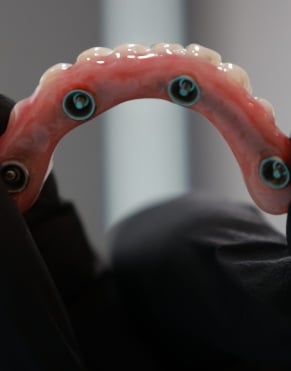
Following osseointegration confirmation, definitive implant-supported prosthetics were fabricated. Final prosthetic design considered occlusal requirements, aesthetic parameters, and hygiene access. The prosthetic approach (fixed vs. removable, material selection) was determined by clinical factors including bone volume, implant position, occlusal forces, and patient maintenance capability.
Treatment incorporated systematic control points aligned with the practice’s SAFE Principles framework to balance functional requirements (stability, function) with aesthetic considerations (aesthetics) whilst ensuring patient understanding of maintenance requirements (empowerment).
Clinical Outcome
The treatment restored the patient’s chewing function and speech after replacing failing teeth with implant-supported prosthetics. This comprehensive approach provided a fixed solution that addressed both functional and aesthetic concerns presented at the initial consultation.
Individual healing and outcomes vary widely based on bone quality, overall health, and post-operative care compliance. Results experienced by one patient do not necessarily reflect outcomes others may experience. Risks include implant failure, infection, nerve damage, prolonged recovery, and need for future interventions.
Frequently Asked Questions for Zetland Patients
What clinical factors determine when extraction and implant replacement is indicated rather than attempting to preserve natural teeth?
Decision-making considers tooth structure loss, periodontal support, endodontic prognosis, and long-term outlook. Teeth with severe periodontal disease (>50% bone loss), extensive decay below bone level, or vertical fractures may have poor prognosis. However, tooth preservation is preferred when viable. Second opinions may be valuable.
What are realistic expectations for recovery and function following full arch implant treatment?
Initial recovery (1-2 weeks) involves swelling, discomfort, and soft food diet. Provisionals allow limited function during healing (3-6 months). Gradual return to normal diet occurs over several months. Some patients experience prolonged sensitivity or speech adjustments. Individual healing rates vary significantly.
What are the costs and ongoing financial commitments for full arch implant treatment?
Full arch treatment represents significant financial investment. Initial costs include surgery, implants, bone grafting if needed, and prosthetics. Ongoing costs include maintenance appointments (3-6 monthly), potential repairs, and eventual prosthetic replacement (typically 10-15 year lifespan). Treatment is generally not covered by insurance or Medicare.

DISCLAIMER:
The name and suburb of the patient have been anonymised for privacy.
The material posted is for informational purposes only and is not intended to substitute for professional medical advice, diagnosis or treatment. Results vary with each patient. Any dental procedure carries risks and benefits. If you have any specific questions about any dental and/or medical matter, you should consult your dentist, physician or other professional healthcare providers.
Services We Mentioned:

More Client Journeys
Full Mouth Veneers Clinical Case in Bondi Junction
Clinical case examining comprehensive upper and lower arch veneer rehabilitation. Educational overview of full mouth aesthetic treatment.

Smile Design Veneers Clinical Case in Dulwich Hill
Clinical case examining comprehensive anterior veneer treatment using systematic smile design. Educational overview of Perfect 10™ approach.
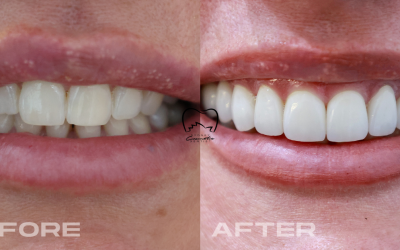
Anterior Veneers Clinical Case in Vaucluse
Clinical case examining tooth position influence on facial aesthetics in veneer treatment using the Perfect 10™ veneer smile makeover system.