

Porcelain Veneers Clinical Case in Double Bay

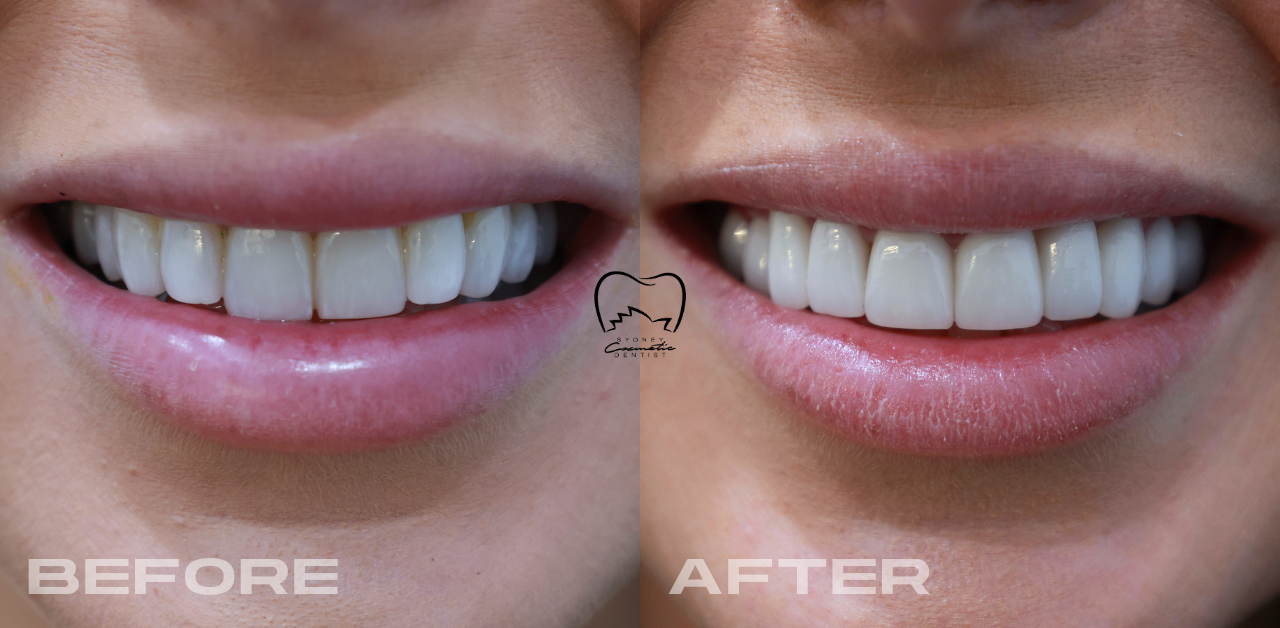
How does provisional design affect outcomes in anterior porcelain veneer treatment in Double Bay?
Case Note ID: Dec-2024-PV10
Location: Sydney Cosmetic Dentist (serving the Double Bay area)
Primary Treatments: Anterior porcelain veneers (upper arch), provisional veneer therapy, soft tissue conditioning
Supporting Technology: The Perfect 10™ smile design system, digital mock-ups, provisional fabrication protocols
Presenting Clinical Problem
A patient presented seeking aesthetic improvement of the anterior dentition with the following clinical considerations:
- Anterior teeth requiring aesthetic enhancement through porcelain veneers
- Gingival architecture requiring conditioning and refinement prior to definitive treatment
- Need for provisional phase to establish optimal soft tissue contours
- Primary clinical objective: achieve aesthetic improvement whilst establishing healthy, stable gingival framework through systematic provisional therapy
The clinical approach recognised that soft tissue response and gingival health are integral components of anterior aesthetic treatment, not merely considerations after definitive restoration placement.
Treatment Plan & Clinical Process
Treatment utilised Dr Peter Poulos’s Perfect 10™ systematic approach to anterior aesthetic rehabilitation:
Phase 1: Diagnostic Planning and Design
Comprehensive assessment included smile analysis, tooth proportions, gingival levels, and soft tissue biotype. Digital design mock-ups were created to visualise proposed aesthetic outcomes. Importantly, provisional restorations were designed not merely as temporary placeholders, but as therapeutic devices to condition and guide gingival tissues.
Phase 2: Provisional Veneer Phase
Following minimal tooth preparation (where clinically indicated), provisional veneers were fabricated and placed. The provisional phase served multiple clinical purposes: protecting prepared teeth, allowing functional assessment, providing aesthetic preview, and most critically, conditioning gingival tissues to receive the final restorations. Provisional contours, emergence profiles, and margins were designed to guide soft tissue architecture. This phase typically extended over several weeks to allow biological tissue response.
Phase 3: Definitive Porcelain Veneers
Once optimal gingival health and architecture were established through the provisional phase, definitive porcelain veneers were fabricated. Final impressions captured the conditioned soft tissue state. Porcelain restorations were designed to maintain the gingival contours achieved during provisional therapy. Cementation protocols followed established bonding procedures.
The treatment incorporated systematic control points throughout the process to ensure predictable aesthetic outcomes whilst maintaining periodontal health.
Clinical Outcome
The veneers successfully addressed the patient’s aesthetic concerns while the provisional phase allowed the gums to adapt properly, creating natural-looking harmony between the teeth and gum tissues. This systematic approach helped achieve a balanced result where the gums framed the new teeth appropriately.
Individual outcomes vary based on gum tissue type, oral hygiene habits, and facial features. Results experienced by one patient do not necessarily reflect outcomes others may experience. Veneers require irreversible tooth preparation, typically need replacement after 10-15 years, and complications can include chipping, sensitivity, and gum recession.
Frequently Asked Questions for Double Bay Patients
Why is a provisional phase important in veneer treatment?
Provisionals protect prepared teeth while allowing assessment of aesthetics, phonetics, and function. Well-designed provisionals condition gingival tissues by establishing appropriate contours. This healing period (typically several weeks) allows soft tissues to stabilize, which is essential for predictable outcomes and long-term gum health.
What are realistic expectations for porcelain veneer longevity?
Studies suggest veneer survival rates of approximately 90-95% at 10 years, though individual outcomes vary. Longevity depends on grinding habits, oral hygiene, and material quality. Common issues include chipping (5-10% of cases), marginal staining, and debonding. Patients should anticipate potential replacement during their lifetime.
What are the risks and limitations of anterior veneer treatment?
Risks include tooth sensitivity, need for root canal treatment (1-5% of cases), veneer fracture, gingival irritation, and irreversible tooth structure removal. Veneers cannot dramatically change tooth positions without orthodontics, may show visible margins over time due to gum recession, and have limitations correcting severe discolouration.

Services We Mentioned:

More Client Journeys
Full Mouth Veneers Clinical Case in Bondi Junction
Clinical case examining comprehensive upper and lower arch veneer rehabilitation. Educational overview of full mouth aesthetic treatment.
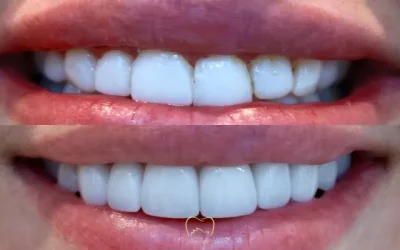
Smile Design Veneers Clinical Case in Dulwich Hill
Clinical case examining comprehensive anterior veneer treatment using systematic smile design. Educational overview of Perfect 10™ approach.
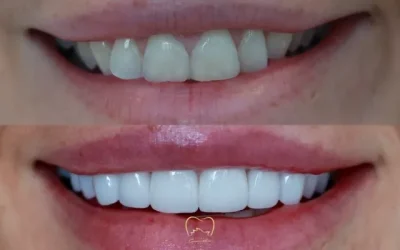
Anterior Veneers Clinical Case in Vaucluse
Clinical case examining tooth position influence on facial aesthetics in veneer treatment using the Perfect 10™ veneer smile makeover system.