

All-on-4 Implant Rehabilitation Clinical Case in Ryde
Can All-on-4 dental implants restore function for full arch rehabilitation in Ryde?
Case Note ID: Nov-2024-AO4
Location: Sydney Cosmetic Dentist (serving the Ryde area)
Primary Treatments: Full arch implant rehabilitation (All-on-4 concept), surgical planning, provisional prosthodontics
Supporting Technology: Digital treatment planning, aesthetic pre-surgical analysis, gingival contouring protocols
Presenting Clinical Problem
A patient presented requiring comprehensive oral rehabilitation with the following clinical considerations:
- Complete loss of functional dentition requiring full arch replacement
- Need for osseointegrated implant support
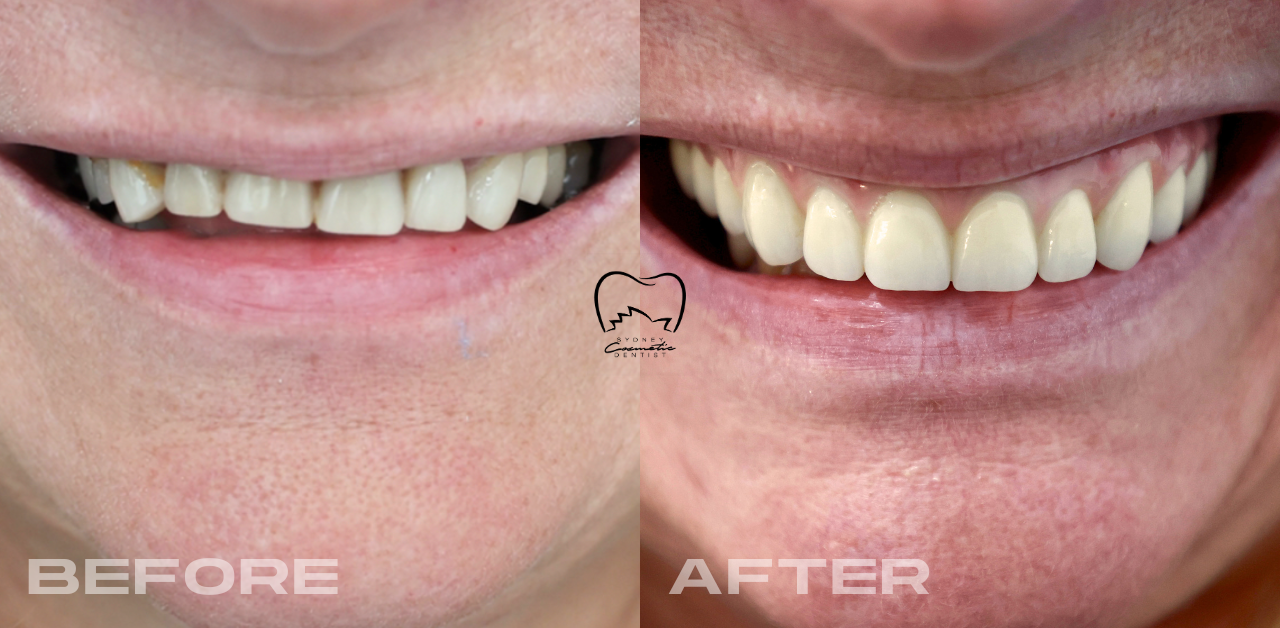
- Aesthetic concerns regarding smile line and gingival architecture
- Patient had professional dental industry knowledge, requiring detailed treatment communication
- Primary clinical objective: restore oral function and achieve harmonious aesthetic outcome through implant-supported prosthetics
The patient’s background as a retired dental technician meant they had specific expectations regarding gingival aesthetics and the natural appearance of the final prosthesis.
Treatment Plan & Clinical Process
A comprehensive, phased treatment approach was developed:
Phase 1: Diagnostic and Aesthetic Planning
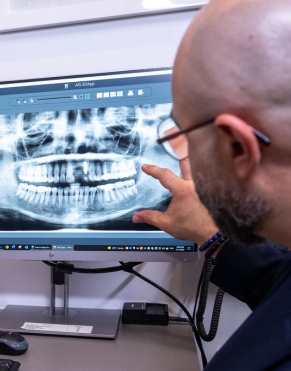
Initial assessment focused on smile line analysis and aesthetic treatment planning prior to surgical intervention. Digital planning was utilised to map the final prosthetic position, working backwards to determine optimal implant placement. Gingival contours were documented pre-surgically to guide prosthetic emergence profile design.
Phase 2: Surgical Phase
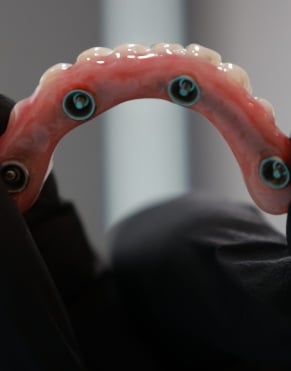
Implant placement followed the All-on-4 treatment concept, with positioning determined by the pre-planned prosthetic outcome. Bone quality, volume and anatomical considerations were assessed. Immediate provisional prosthetics were fabricated to maintain function during osseointegration.
Phase 3: Definitive Prosthodontics
Following appropriate healing periods, definitive implant-supported prosthetics were fabricated. Gingival architecture from the provisional phase was replicated in the final prosthesis to achieve natural soft tissue transitions. Multiple try-in appointments allowed for refinement of aesthetics and occlusion.
The treatment incorporated what the practice terms their “SAFE Principles” framework: Stability (implant integration and prosthetic retention), Aesthetics (smile design and gingival harmony), Function (occlusion and mastication), and Empowerment (patient understanding and maintenance capability).
Clinical Outcome
The treatment successfully restored the patient’s ability to eat and speak comfortably with fixed implant-supported teeth. The final prosthesis was designed to mimic natural gum contours, which was particularly important given the patient’s professional dental background and high aesthetic expectations.
Individual responses to implant treatment vary significantly based on bone quality, healing capacity, and oral hygiene maintenance. Results experienced by one patient do not necessarily reflect outcomes others may experience. Complications can include implant failure, infection, prosthetic issues, and need for future repairs or replacements.
Frequently Asked Questions for Ryde Patients
What factors determine suitability for full arch implant rehabilitation?
Suitability assessment includes evaluation of bone volume and density, medical history, smoking status, oral hygiene capability, and occlusal considerations. Diagnostic imaging (CBCT) is typically required. Some patients may need preliminary procedures such as bone grafting or extractions. Age, systemic health conditions, and medications can affect treatment planning. A comprehensive consultation with clinical records is essential before determining candidacy.
What are the realistic timeframes for full arch implant treatment?
Treatment duration varies considerably based on individual clinical factors. Typical timeframes include: initial healing after implant placement (3-6 months for osseointegration), provisional prosthetic adjustments (multiple appointments over several months), and definitive prosthetic fabrication (2-3 months). Total treatment time commonly ranges from 6-12 months, though complex cases may require longer. Individual healing rates, need for supplementary procedures, and prosthetic complexity all influence timeline.
What are the risks and ongoing requirements for implant-supported prosthetics?
Risks include: implant failure (reported at 5-10% over 10 years), infection (peri-implantitis), prosthetic complications (fractures, loosening), nerve damage, sinus complications, and aesthetic concerns. Ongoing requirements include: professional maintenance every 3-6 months, daily home care with specialised cleaning aids, potential prosthetic adjustments or repairs, and possible implant or prosthetic replacement over time. Costs for maintenance and potential complications should be considered. Not all patients achieve the same functional or aesthetic outcomes.

Services We Mentioned:

More Client Journeys
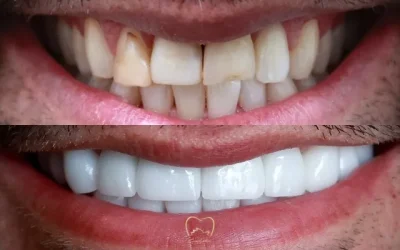
Full Mouth Veneers Clinical Case in Bondi Junction
Clinical case examining comprehensive upper and lower arch veneer rehabilitation. Educational overview of full mouth aesthetic treatment.
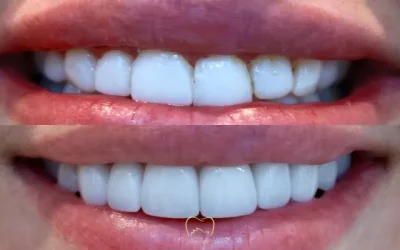
Smile Design Veneers Clinical Case in Dulwich Hill
Clinical case examining comprehensive anterior veneer treatment using systematic smile design. Educational overview of Perfect 10™ approach.
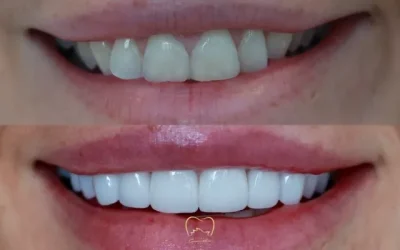
Anterior Veneers Clinical Case in Vaucluse
Clinical case examining tooth position influence on facial aesthetics in veneer treatment using the Perfect 10™ veneer smile makeover system.